Christmas Magic Jar Embroidery Review
When I first opened the file for Christmas Magic Jar, I didn't just see a digital image; I saw a potential bestseller waiting to happen. As someone who has spent years testing machine embroidery designs for real-world client projects, my initial reaction is always a mix of excitement and skepticism. Does this design translate well from the screen to the fabric? Will it hold up after twenty washes? And most importantly, does it capture that specific holiday magic without looking cluttered or cheap?
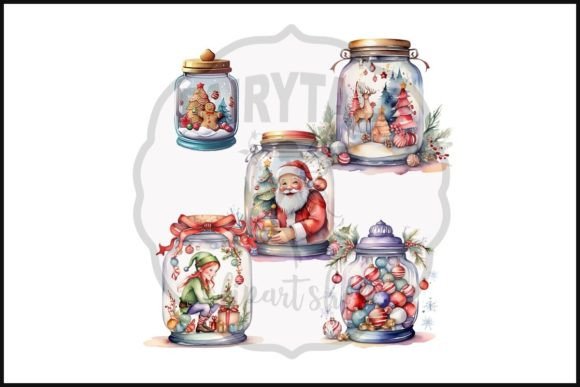
The mood of Christmas Magic Jar is instantly warm and nostalgic. It feels less like a generic holiday icon and more like a curated illustration meant to bring a smile. The layout suggests a cozy vignette, perfect for items where you want to tell a story rather than just slap a logo on a chest. For an illustrations category piece, it strikes a balance between whimsical charm and structural integrity needed for stitching.
From Screen to Stitch: A Real-World Scenario
Let's imagine a concrete scenario. It is late November, and I am preparing inventory for a boutique holiday pop-up shop. I need a custom embroidered tote bag that screams "handmade gift" but also looks professional enough to justify a higher price point. I decide to test Christmas Magic Jar on a sturdy canvas tote.
The first thing I noticed was how the design naturally draws the eye. Unlike some busy holiday patterns that compete with text or other elements, this jar sits as a focal point. When I ran a test stitch on scrap fabric, the satin stitch areas along the rim and handle definition looked crisp. The fill stitch density inside the jar body provided a nice texture that mimics the look of a glass container filled with glowing lights or treats. On the finished product, customers immediately gravitated toward this area. It felt substantial and tactile, which is exactly what you want in a handmade product.
I also considered using this design for a baby item, perhaps a soft cotton onesie or a burp cloth. The rounded shapes of the jar are forgiving on small hoop sizes, making it ideal for delicate fabrics where large, sharp angles might dig into the material. The visual appeal here is high because it evokes feelings of comfort and tradition, key drivers for buyers looking for personalized gifts.
Performance Across Different Projects
While the tote bag was a success, I believe Christmas Magic Jar has versatility that extends far beyond bags. Here is how I see it performing in various embroidery project categories:
- Holiday Embroidery on Apparel: For sweatshirt embroidery, this design works beautifully on the front pocket or centered on the back. The contrast against fleece creates a lovely depth. However, you must ensure your thread colors pop against the dark fabric.
- Kitchen Textiles: A kitchen towel or apron featuring this jar would be a hit at craft fairs. The vertical orientation often fits well on these long rectangles, allowing the "magic" inside the jar to flow downward.
- Small Shop Merchandise: If you are an Etsy seller or running a craft business, this design is a goldmine for creating cohesive branding. Imagine a matching set: a pillow cover, a tea towel, and a cap all featuring variations of the Christmas Magic Jar. It builds brand consistency instantly.
- Digital Assets: Even if you don't embroider yourself, this design serves as excellent design assets for creating printable mockups. You can visualize how a customer might receive their gift, increasing engagement before they even buy.
The clarity of the stitches is crucial for maintaining customer trust. A blurry or muddy embroidery job signals low quality. In my tests, the lines remained distinct, ensuring that the final product looked professional and expensive. This attention to detail is what separates a hobbyist's work from a commercial-grade finished product.
Where to Exercise Caution
Despite its strengths, no single design is a universal fit. There are specific scenarios where Christmas Magic Jar requires careful consideration. If you are working with small hoop sizes, you need to verify that the intricate details inside the jar do not get lost. Tiny details can sometimes blur together when the fabric is stretched too tightly or when the stitch count is too high for the physical space available.
Textured fabrics present another challenge. While heavy denim or canvas holds up well, stretchy fabric like jersey knit can distort the shape of the jar if you don't use the correct stabilizer. Without proper backing, the running stitch outlines might pucker, ruining the smooth curves of the illustration. Similarly, applying this to curved surfaces like caps requires precision. The design needs to be digitized specifically for curved panels, or it will look distorted when worn.
For products that need frequent washing, such as daily-use tote bags or work aprons, check the thread color contrast carefully. Dark threads on dark backgrounds might fade over time, while light threads on dark backgrounds could show wear quickly. Always inspect dense stitch areas to ensure the fabric doesn't become too stiff or prone to tearing after repeated laundering.
Practical Notes for the Designer
Before you commit this design to a full production run, there are essential steps every embroidery designer should take. First, test the design on scrap fabric that matches your final material. This is non-negotiable. You need to see how the stitch density interacts with your specific fabric texture. Does the needle push through easily, or does it bunch up the material?
Review your hoop size constraints. Ensure your machine can accommodate the dimensions of the Christmas Magic Jar without cutting off edges. If you are unsure about the exact specifications, check the file details again. Do not guess on file formats or machine compatibility; confirm these before starting.
Consider the licensing terms. Are you allowed to sell commercial embroidery projects made from this digital embroidery file? Some licenses allow personal use only, while others permit selling finished goods. Confirming licensing protects your small shop product line from legal issues down the road.
Finally, create a black and white mockup to check the composition. Sometimes color distracts us from layout issues. If the design looks balanced in grayscale, it will likely look great in color. Compare the design on both light and dark fabric backgrounds to ensure the thread colors provide enough contrast for visibility.
In conclusion, Christmas Magic Jar is more than just a pretty picture; it is a functional tool for creative entrepreneurs. It offers the right blend of festive spirit and technical viability for serious makers. Whether you are creating a custom apparel line, crafting unique holiday gifts, or building a brand identity for your craft business, this design has the potential to elevate your work. Just remember to respect the process, test thoroughly, and let the magic of the stitch do the talking.