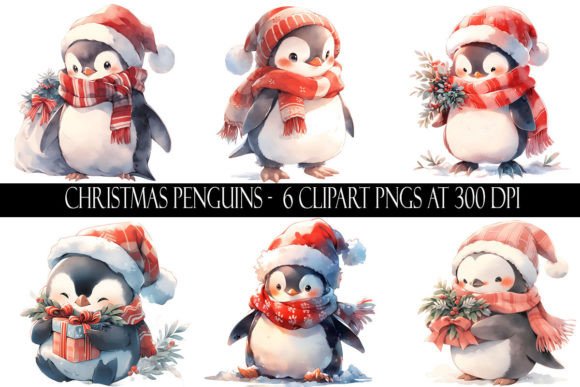
Christmas Penguin Clipart for Modern Illustrations
When I sit down to design a new feature post or update a digital guide, the first thing I look for is a visual anchor that instantly communicates the right mood. Recently, I reviewed Christmas Penguin Clipart with the intention of using it across several active publishing projects. As an experienced blog designer and digital publisher, I know that every graphic design asset must do more than just fill space; it needs to build trust, guide the eye, and support the editorial narrative. This review breaks down how this specific set of illustrations fits into a real-world content workflow.
First Impressions and Editorial Mood
The moment you open the folder containing these files, the visual language is clear. Christmas Penguin Clipart exudes a playful yet polished energy. It strikes a balance between festive cheer and professional clean lines, making it versatile enough for lifestyle blogs, educational newsletters, and creative marketplaces without feeling childish or overly cluttered. The style leans towards modern design with a touch of whimsy, which is exactly what many publishers need when they want to humanize their brand identity during the holiday season.
In terms of reader perception, these illustrations create an immediate sense of warmth and approachability. They signal that the content is seasonal but not necessarily trivial. For niche sites focusing on parenting, education, or small business branding, this asset feels like a natural fit. It supports content that needs to look clickable and inviting, ensuring that visitors feel comfortable engaging with the material. Unlike generic clip art that can make a site look dated, these graphics suggest a curated, thoughtful approach to web design.
Integrating Graphics into a Publishing Workflow
I recently tested this collection in a live scenario where I was preparing a series of articles for a December newsletter campaign. The versatility of the graphics allowed me to maintain consistency across multiple channels. Here is how I integrated them into my actual workflow:
- Featured Images: I used the penguin illustrations as the primary focal point for article headers. By placing them alongside bold serif typography, the visual hierarchy became instant. Readers could scan the page and immediately identify the topic as a festive, lighthearted piece.
- Pinterest Pins: Creating a Pinterest pin requires a strong visual hook. These illustrations provided a colorful, high-contrast element that stood out against busy feeds. The design assets were sharp enough to be cropped for square or vertical formats without losing detail.
- Digital Guides and Lead Magnets: I incorporated the graphics into the cover design of a downloadable Christmas worksheet. The clean lines ensured that the text remained readable, while the festive theme increased the perceived value of the freebie.
- Social Media Graphics: For Instagram and Facebook posts, I layered the illustrations over solid color backgrounds. This created a cohesive brand identity that looked professional even in a crowded social feed.
The ability to use these files as part of a Canva template or standalone PNGs saved me hours of editing time. Whether I was creating media kits or affiliate marketing visuals, the consistent style helped unify the message across different platforms.
Boosting Content Performance Through Visual Design
Why does the choice of illustration matter so much? In digital publishing, the image often dictates the click-through potential before a user even reads the headline. High-quality Illustrations like Christmas Penguin Clipart improve reader trust by signaling that the publisher cares about aesthetics and quality. When a website looks polished, users are more likely to stay longer and explore deeper.
These graphics also enhance category recognition. If you use a similar visual style for all your holiday-related posts, readers will subconsciously associate that imagery with your specific content niche. This strengthens your visual identity and makes your site feel more authoritative. Furthermore, proper visual hierarchy ensures that the most important elements pop, guiding the user's eye exactly where you want it to go.
Strategic Placement for Maximum Impact
To get the most out of this asset, you need to know where it shines brightest. I found that these illustrations work exceptionally well in hero images where they can take center stage. They are perfect for editorial accents, such as bullet points in long-form articles or dividers between sections. For downloadable resources like printables or digital downloads, they add a layer of charm that encourages users to download the file.
Newsletter headers benefit greatly from this style, as the festive theme increases open rates during the holiday season. Additionally, using them in category thumbnails helps break up the monotony of text-heavy archives. However, I did find some limitations when considering mobile optimization.
Navigating Potential Pitfalls
While this is a strong asset, it is not a one-size-fits-all solution. There are specific contexts where Christmas Penguin Clipart might need careful handling. For instance, if you are designing a serious professional niche or corporate content, the playful nature of the penguins might undermine the gravity of the message. Similarly, in low-contrast backgrounds, the details of the illustration could get lost, reducing its effectiveness.
Small mobile thumbnails present another challenge. If the image is too complex or the file size is too large, it may pixelate or slow down load times on smaller screens. In text-heavy blog images, ensure the illustration does not compete with the copy. If the layout is already busy, adding more decorative elements can confuse the reader rather than clarify the message. Always test the visual system to ensure it remains minimal and focused.
Practical Publisher Notes for Implementation
Before committing to using any commercial design asset on a monetized website or affiliate page, there are technical steps you must take. First, always test the graphics on both desktop and mobile screens. What looks great on a 27-inch monitor might appear tiny or blurry on a smartphone display. Check how the image functions as a thumbnail; does it remain recognizable when shrunk down?
Preview the graphic inside a real blog layout to see how it interacts with your existing fonts. Try placing the illustration beside different typefaces: a classic serif font creates a sophisticated contrast, while a sans-serif font keeps it modern and clean. You might also experiment with script or handwritten fonts for a more personal touch, but be cautious not to let the text clash with the artwork. Review the file size carefully to ensure it does not negatively impact web performance. Compress images properly using tools designed for SEO-friendly delivery.
Finally, confirm the commercial license before using the asset in paid content products, ad campaigns, or revenue-generating pages. Understanding the terms of use protects your business and ensures you are ethically sourcing your creative design materials. With the right preparation, Christmas Penguin Clipart becomes a powerful tool in your content marketing arsenal, helping you deliver a seamless and engaging experience for your audience.