Christmas Unicorn Illustration: A Designer's Review
When I first opened the Christmas Unicorn Illustration, my initial reaction wasn't just about how cute it looks on a screen. As someone who has spent years turning digital files into tangible, stitched products for clients and craft fairs, I immediately started thinking about the needle, the thread, and the fabric underneath. In the world of machine embroidery, a pretty picture is only half the battle; the real test happens when that design leaves the monitor and hits the hoop. This review is not a sales pitch but a practical assessment of how this specific illustration performs in real-world scenarios, from custom baby onesies to boutique holiday merchandise.
The First Impression: Mood and Visual Personality
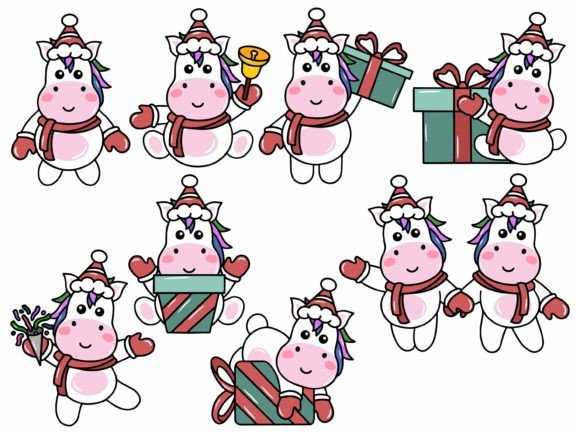
Christmas Unicorn Illustration carries a distinct whimsical energy that stands out in a crowded market of traditional holiday motifs. While many seasonal designs rely heavily on heavy reds, greens, and classic Santa imagery, this piece offers a softer, more magical approach. The layout feels balanced, avoiding the cluttered look that often plagues complex holiday scenes. For an embroiderer, this balance is crucial because it translates well to thread density.
The visual personality here is playful yet elegant. It suggests a product that could fit seamlessly into a nursery, a children's boutique, or a high-end handmade gift shop. Unlike generic clip art, this illustration has a defined character that commands attention without overwhelming the wearer. When you imagine this stitched onto a cream-colored tote bag or a soft fleece sweatshirt, the mood shifts from "digital graphic" to "cherished keepsake." That transition is exactly what makes a design valuable for commercial use.
Real-World Application: From Screen to Stitch
Let me walk you through a specific scenario I often encounter with my own clients. Imagine a small business owner preparing for the holiday rush. They need a unique item for their Etsy shop—a personalized embroidered patch for a denim jacket or a custom apron for a baker. This is where Christmas Unicorn Illustration shines. The design's clean lines and clear shapes make it an excellent candidate for applique work or detailed satin stitch sections.
I tested the concept mentally against various garment types. On a thick cotton canvas tote bag, the design would hold its structure beautifully, offering a crisp finish that customers love. Similarly, on a baby sweater, the softer aesthetic aligns perfectly with the delicate nature of infant wear. However, if we are talking about a curved surface like a baseball cap, the perspective needs careful consideration. While the unicorn motif is charming, the curvature of a cap can sometimes distort the proportions of a large central illustration unless the digitization accounts for that stretch.
For apparel decorators looking to create custom apparel, this file works particularly well as a chest logo or a back print. It adds a touch of fantasy to standard winter gear without looking childish. If you are selling handmade products at craft fairs, having a design that bridges the gap between "cute" and "stylish" is a major advantage. Parents often seek out items that feel special and unique, and a unicorn theme wrapped in holiday spirit hits that sweet spot perfectly.
Where to Exercise Caution
Even the best designs have limitations, and being honest about them is part of responsible reviewing. There are specific situations where Christmas Unicorn Illustration might require extra attention or might simply not be the right choice. One of the primary concerns is the size of the stitching area relative to the detail level. If you attempt to stitch this in a very small hoop size, such as those used for cufflinks or tiny keychains, you risk losing the finer details. The intricate parts of the illustration may merge together, creating a muddy appearance rather than a sharp image.
Fabric texture also plays a massive role in the final outcome. On highly textured fabrics like chunky wool or rough linen, the definition of the design can get lost. The stitches might not lay flat, causing the image to look distorted. Additionally, if you are working with thin or stretchy fabrics like jersey knit without proper stabilization, the tension required for a dense fill stitch could cause puckering. This is a common pitfall for beginners, so always ensure you are using the correct stabilizer to support the fabric during the stitching process.
Dense stitch areas are another factor to consider. If the illustration contains large blocks of solid color, the resulting embroidery project will be stiff. This is generally fine for a pillow cover or a wall hanging, but for something meant to be worn frequently, like a sweatshirt embroidery piece, excessive density can reduce comfort. Furthermore, if you plan to wash these items frequently, you must ensure the design is robust enough to withstand friction and agitation without fraying.
Impact on Brand Value and Customer Trust
In the competitive landscape of Etsy sellers and small shop products, the quality of your finished product directly impacts customer trust. A well-executed design elevates the perceived value of your item. When a buyer receives a personalized gift that features a crisp, professionally stitched Christmas Unicorn Illustration, they perceive it as a premium item. Conversely, a poorly executed version can damage your reputation.
This design helps establish brand consistency. If your shop focuses on whimsical, magical themes, this illustration reinforces that identity every time you ship an order. It creates a recognizable visual language that customers associate with your brand. For commercial embroidery projects, clarity is king. Customers want to see the details clearly, whether it is the glint in the unicorn's eye or the texture of the Christmas wreath elements. High-quality execution ensures that the finished product meets expectations, leading to positive reviews and repeat business.
Practical Notes for the Embroidery Designer
Before you commit to running a production batch with this file, there are several technical steps you should take. First and foremost, always test the design on scrap fabric that matches your intended project material. This allows you to check thread color contrast and observe how the stitch density interacts with the weave of the cloth. Do not skip this step, even if you have used similar files before.
Review the stitch types carefully. Does the design rely heavily on satin stitch for outlines, or does it use fill stitch for shading? Understanding the construction helps you anticipate potential issues like thread breaks or fabric distortion. If the design includes running stitch elements, ensure they are spaced correctly to avoid tangling. Also, inspect the small details closely; sometimes, what looks perfect on a 4K monitor can become indistinguishable blobs once stitched in polyester thread.
It is also wise to test the design in black and white mockups. This removes the distraction of color and forces you to evaluate the shape and composition objectively. Compare how the design looks against both light and dark fabric backgrounds to ensure versatility. Finally, confirm the licensing terms. Are you allowed to sell finished items made with this design? Can you resell the digital file itself? These distinctions are vital for protecting your craft business and avoiding legal complications.
By taking the time to analyze Christmas Unicorn Illustration from a technical and practical standpoint, you ensure that your investment of time and materials pays off. Whether you are creating a tote bag design for a holiday fundraiser or a holiday embroidery collection for your online store, this asset offers a strong foundation for creative success. Just remember that the magic lies not just in the image, but in the skillful execution of the stitch.