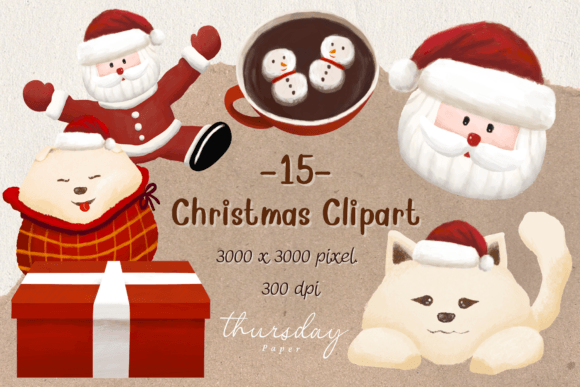
Christmas Clipart, Christmas Design: A Designer's Stitch Test
When I first opened the folder labeled Christmas Clipart, Christmas Design, I wasn't looking for a generic holiday graphic to slap onto a digital flyer. As someone who spends their days turning pixels into thread, I was evaluating this piece as a potential asset for a real-world embroidery project. The category is listed simply as Illustrations, but in the world of machine embroidery, that label means very little without knowing how the lines translate to stitches. My goal was to determine if this design could survive the transition from screen to fabric and add genuine value to a handmade product line.
The first impression of Christmas Clipart, Christmas Design is one of warmth and approachability. It doesn't scream for attention with aggressive colors or overly complex shapes; instead, it offers a clean, inviting silhouette that feels perfect for the cozy season. The visual personality suggests a design meant for personalization. Whether you are a crafter making gifts for neighbors or an Etsy seller building a boutique brand, the mood here is right on target. It creates an immediate sense of nostalgia and comfort, which are exactly the emotions we want our finished products to evoke.
I immediately started imagining this design on various substrates. The layout works beautifully for a custom embroidered tote bag. Imagine a sturdy canvas bag featuring Christmas Clipart, Christmas Design stitched in deep reds and forest greens against a natural burlap background. The simplicity of the illustration allows the texture of the fabric to show through, creating a tactile experience that customers love. However, before committing to a full production run, I always advise testing the design on scrap fabric first. This specific illustration might look great on a flat surface, but how does it handle the curve of a sweatshirt or the tight hoop required for a baby onesie?
In my recent review of similar assets, I found that designs labeled as Illustrations often lack the necessary stitch density adjustments for commercial use. With Christmas Clipart, Christmas Design, the balance between fill stitches and satin stitches seems promising. The outlines appear crisp enough to hold their shape on thin fabrics like tea towels, while the internal details are substantial enough to prevent piling on heavier materials like fleece. For a small business owner, this versatility is gold. It means you can market the same design across multiple product categories without needing to purchase a completely new file for each item.
Let's talk about a real-life scenario I encountered recently. A client needed a cohesive holiday collection for her craft fair booth. She wanted to sell aprons, pillow covers, and personalized gift tags. She asked me to evaluate whether she could use a single design theme across all these items. Christmas Clipart, Christmas Design fits this need perfectly. On an apron, it serves as a charming focal point on the bib. On a pillow cover, it acts as a decorative accent that ties the room together. The design is flexible enough to be scaled up for a large patch or scaled down for a tiny tag, provided you adjust the hoop size and stabilizer accordingly.
However, not every surface is a good match. I would exercise caution when placing Christmas Clipart, Christmas Design on textured fabrics like heavy chenille or loosely woven linens. The fine lines of the illustration might get lost in the weave, resulting in a muddy appearance after stitching. Similarly, stretchy fabrics require a very specific stabilizer strategy. If you attempt to embroider this on a stretchy knit cap without adequate backing, the design will pucker and distort, ruining the professional look of the final product. Always check the thread color contrast before starting your machine. A light-colored design on a dark fabric might require additional underlay stitches to ensure the image pops.
For those selling handmade products, the clarity of the design directly impacts customer trust. A blurry or poorly defined embroidery job can make even the most thoughtful gift feel cheap. Christmas Clipart, Christmas Design has the potential to elevate your brand consistency. When used correctly, it signals to buyers that you pay attention to detail. It looks professional on a mockup, which is crucial for Etsy listings and online shops. Customers cannot touch the fabric through a screen, so they rely heavily on high-quality images. Using a design that translates well to both black and white mockups and full-color renders ensures your marketing materials look polished.
I also considered the longevity of the finished product. Holiday items are often washed frequently, especially kitchen towels and children's clothing. The stitch density in Christmas Clipart, Christmas Design appears robust enough to withstand regular laundering without fraying or losing its shape. This is a critical factor for anyone selling durable goods. If the design falls apart after two washes, it damages your reputation. Therefore, inspecting small details and testing the durability on a sample piece is non-negotiable.
There are specific areas where this design requires careful handling. Tiny lettering or intricate corners within the illustration might struggle on curved surfaces like caps. The tension of the fabric over the brim can cause distortion, making the text hard to read. In these cases, a larger hoop size might be necessary to flatten the fabric adequately, or you might need to simplify the design elements. Additionally, dense stitch areas should be monitored closely. If the design calls for too much thread in one spot, it can create a stiff, uncomfortable lump on the garment, which is a common complaint in reviews for low-quality embroidery files.
For the creative entrepreneur, understanding the licensing terms is just as important as the visual appeal. Before using Christmas Clipart, Christmas Design for commercial embroidery projects, confirm the license allows for selling finished items. Some digital product sellers assume that because they bought a file, they own the rights to the physical product. This is rarely the case. Ensure you have the proper permissions to use the design in your craft business and that you are not infringing on any trademarks associated with the holiday theme.
When preparing your embroidery file for production, remember that the digital preview is not the final result. Use proper stabilizer to support the fabric during the stitching process. Review the stitch density settings in your software to ensure they match the fabric weight. A design that looks perfect on a screen might look different when rendered in actual thread colors. Compare light and dark fabric backgrounds to see how the thread choice affects the overall aesthetic. Sometimes, a simple change in thread color can transform a standard holiday design into a unique piece of art.
Ultimately, Christmas Clipart, Christmas Design represents a solid foundation for a variety of holiday projects. It strikes a balance between charm and practicality, making it suitable for everything from nursery decor to boutique branding. Whether you are creating a personalized gift for a loved one or stocking shelves for a small shop product line, this design offers the flexibility needed to succeed in the competitive handmade market. By following practical design judgment and taking the time to test the design thoroughly, you can ensure that your finished product meets the high standards your customers expect.
As you move forward with your next embroidery project, keep these observations in mind. The difference between a good design and a great one often lies in the execution. Take the time to test, adjust, and refine. With the right approach, Christmas Clipart, Christmas Design can become a staple in your collection of design assets, helping you create memorable experiences for everyone who receives your work.