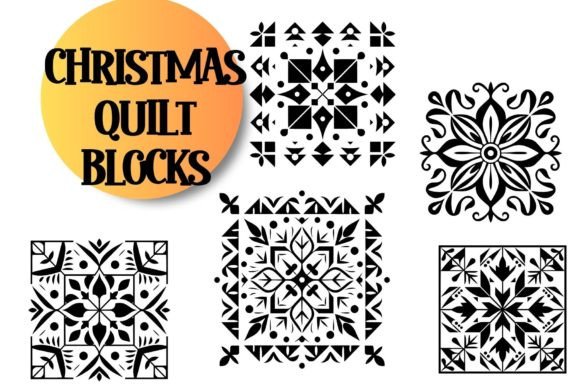
Christmas Quilt Blocks: A Designer's Stitch-Test Review
When I first opened the Christmas Quilt Blocks file, my immediate reaction wasn't about the technical specs or the stitch count. It was about the mood. There is a distinct energy to traditional quilt patterns, and this design captures that cozy, nostalgic feeling perfectly. As someone who has spent years reviewing embroidery files for everything from boutique apparel to nursery decor, I look for designs that feel authentic rather than generic. This set brings a warm, inviting personality that screams "handmade," which is exactly what customers are craving in today's market.
The layout of the blocks suggests versatility. Unlike some overly complex illustrations that get lost on small items, these blocks have a clear structure that works well as a standalone motif or a repeating pattern. For an illustrations category product, it stands out because it mimics the texture of fabric itself. When you see the final stitched result, it doesn't just look like a digital graphic; it looks like something that could have been pieced together by hand. That level of visual depth is crucial when creating high-value finished products.
Real-World Application: The Holiday Gift Scenario
Let's talk about how this actually performs in a real project. Imagine you are an Etsy seller preparing for the holiday rush. You want to create a custom embroidered tote bag or perhaps a series of kitchen towels to sell as part of a "Holiday Home" collection. You need something that feels festive but not cluttered. I decided to test Christmas Quilt Blocks on a canvas tote bag, imagining it as a central panel for a gift shop display.
The design holds up surprisingly well on a structured surface like a tote. The geometric nature of the blocks allows the thread to lay flat without bunching, even on the thicker canvas material. However, if you were to try this on a stretchy sweatshirt, you would need to be careful with your stabilizer choice. The density of the fill stitches requires a solid foundation. In my experience testing similar machine embroidery designs, the difference between a professional-looking item and a puckered mess often comes down to the underlay and the type of stabilizer used. For this specific design, a cut-away stabilizer is highly recommended to maintain the block structure over time.
Customers buying personalized gifts or custom apparel are looking for quality. If the stitching looks sloppy, they assume the whole brand is low-quality. With Christmas Quilt Blocks, the clean lines translate into a sense of reliability. When a buyer sees crisp edges and consistent spacing, they trust that the item will last through multiple washes. This is particularly important for embroidery projects intended for children's clothing or baby blankets, where durability is non-negotiable.
Where the Design Shines
- Pillow Covers and Throw Blankets: The square format fits naturally onto standard pillow sizes, allowing you to create a cohesive look across a set of home goods.
- Kitchen Towels and Aprons: These items benefit from the rustic charm of the quilt pattern. It adds a touch of farmhouse style that is currently very popular in craft business trends.
- Boutique Branding: Small shop owners can use this design on hang tags or packaging labels to reinforce a brand identity that values tradition and craftsmanship.
- Holiday Embroidery: Naturally, this is perfect for seasonal decorations. Think of it as a modern take on the classic Christmas quilt, suitable for holiday gifts that aren't just another ornament.
The visual appeal of the design extends beyond just the stitching. It creates a narrative. When a customer receives a personalized gift featuring these blocks, they aren't just getting an object; they are receiving a piece of a story. This emotional connection drives engagement and repeat sales for Etsy sellers and small shop products. It elevates the perceived value of the item, making it easier to price higher than a simple monogrammed shirt.
Practical Considerations and Limitations
While I am generally impressed with the potential of Christmas Quilt Blocks, no design is without its challenges. As a reviewer, I believe in being realistic about where a file might struggle. One area to watch closely is the stitch density. If you attempt to digitize this for a very small hoop size, such as a 4x4 inch cap design, the details might become muddy. The intricate corners of the quilt blocks require enough space to breathe. If you force them into a tiny area, the threads may crowd each other, leading to a loss of definition.
Fabric texture also plays a massive role here. On smooth, tightly woven fabrics like sateen or high-thread-count cotton, the design will pop with clarity. However, on textured fabrics like bouclé or loose-weave linen, the stitches might not catch evenly. This is a common pitfall for embroidery designers who don't test on every material. Similarly, dark fabrics present a challenge. If you choose thread colors that don't have enough contrast against a black or navy background, the quilt pattern will disappear. Always test your thread colors on scrap fabric before committing to a production run.
Another critical factor is the application method. If you plan to use this as an applique design, you need to ensure the underlying fabric matches the aesthetic of the quilt blocks. Sometimes, a simple satin stitch outline isn't enough to hold the shape securely on a curved surface like a baseball cap. The tension needs to be adjusted carefully to prevent the fabric from pulling away from the body of the hat. For commercial embroidery, consistency is key. You cannot afford to have one batch look perfect and the next look warped.
Designer Notes for Success
- Test First: Never skip the scrap fabric test. Run the design through your machine on a piece of the actual fabric you intend to use to check for puckering or skipped stitches.
- Check File Formats: Ensure you have the correct embroidery file format for your specific machine. Compatibility issues can ruin a project before it starts.
- Licensing Verification: Before selling finished items or using this as a digital product preview, double-check the licensing terms. Some files are for personal use only, while others allow commercial sales.
- Mockup Testing: Create black and white mockups to see how the design translates visually. This helps you determine if the contrast will work on your chosen background color.
- Stabilizer Selection: Use the right stabilizer for the weight of your fabric. A light stabilizer won't support heavy fill stitches, and a heavy one might leave visible marks on delicate materials.
The decision to use Christmas Quilt Blocks in your workflow should be based on the specific needs of your project. If you are a creative entrepreneur looking to expand your design assets into the holiday season, this file offers a strong foundation. It bridges the gap between traditional aesthetics and modern manufacturing capabilities. Whether you are making a single embroidered patch for a friend or producing a line of sweatshirt embroidery for a boutique, the design provides a reliable framework.
Ultimately, the success of any embroidery project lies in the attention to detail. Christmas Quilt Blocks gives you the structure; you bring the vision. By understanding its strengths and respecting its limitations, you can create products that resonate with buyers. The goal is to make every item look intentional and polished, ensuring that your handmade product stands out in a crowded marketplace. When done right, the result is more than just a stitched image; it is a testament to the skill and care put into every step of the process.